Schools
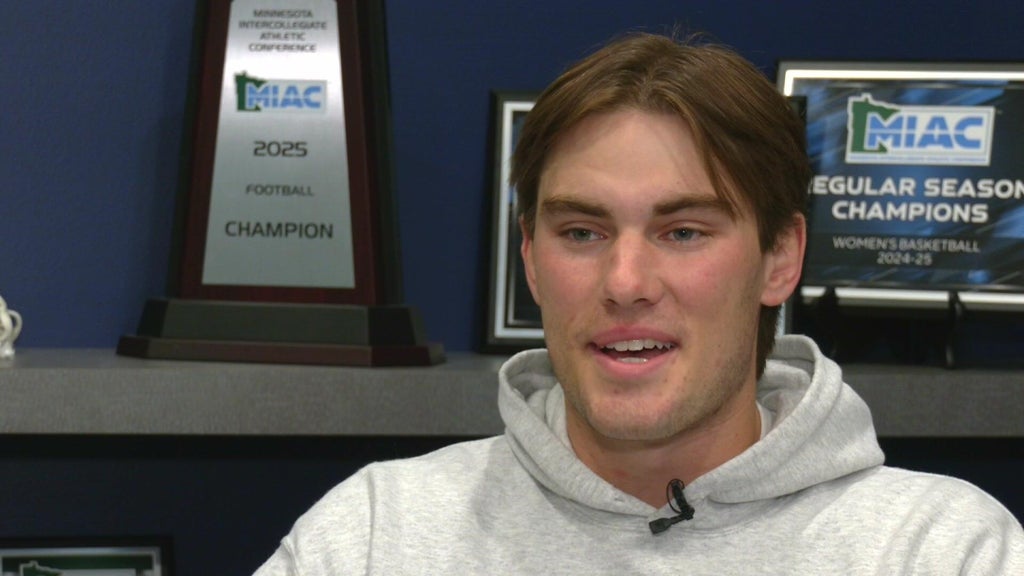
Bethel's Cooper Drews ranks among MIAC's all-time best passers in his final season
By Katherine Langford
Advertisement · Why this ad?
Marcus manages the day-to-day editorial workflow across all brands, coordinating coverage assignments and ensuring editorial standards are met. He previously served as city editor at the Pioneer Press and holds a degree in Political Science from Carleton College.
More from Marcus →
The crisp Minneapolis air carried the sting of defeat for the Minnesota Gophers on Saturday morning, as No. 5 UCLA Bruins secured a decisive 34-20 victory, extending their undefeated season. The early kickoff – 9 a.m. PT, translating to a chilly start in Minneapolis – presented a unique challenge for both teams, testing their preparation and resilience. For UCLA, it was a vital win in their quest for a playoff berth, while for Minnesota, it highlighted ongoing offensive struggles and the difficulties of competing against a team on such a remarkable rise. The game underscored the stark contrast between a program undergoing a dramatic transformation and one grappling with consistency and key injuries. Ty Dieffenbach’s two stunning 75-yard touchdown passes to Aidan Mizell in the fourth quarter epitomized UCLA’s offensive speed and efficiency, ultimately proving too much for the Gophers to handle.
The victory underscored UCLA’s incredible turnaround under first-year head coach Bob Chesney. Just a year ago, the Bruins endured a difficult 3-9 season, a stark contrast to the current narrative of dominance. This year's campaign represents the largest year-over-year turnaround in college football history, a testament to Chesney's coaching prowess and the team's rapid improvement. The program’s evolution is particularly striking given the context of UCLA’s move to the Big Ten, a conference known for its physicality and competitive depth. Chesney’s dismissive attitude towards media rankings – “I told our guys, 'Don't worry about watching this four-week drama series that's going to be this new show that they're going to put out there,'” – speaks to a team focused solely on their own performance and unburdened by external expectations. The Bruins’ current ranking of fifth in the AP poll and eighth in the College Football Playoff rankings reflects their success, but Chesney’s comments suggest a desire to remain grounded and avoid distractions, a crucial element for any team with playoff aspirations.
Meanwhile, Minnesota's season has been marked by inconsistency and a series of setbacks. The Gophers entered the game at 5-4 and 3-3 in the Big Ten, struggling to find a consistent rhythm on offense. The team’s offensive woes are compounded by season-ending injuries to their top two centers, significantly weakening the offensive line and impacting the passing game. This has created a ripple effect, affecting both the running and passing attacks. The reliance on kicker Luke Drzewiecki, who entered the game with an FBS-best streak of 26 consecutive made field goals, highlights the team's inability to consistently move the ball down the field. While Drzewiecki’s accuracy has been a bright spot, it also underscores a broader issue: Minnesota’s struggles to sustain drives and generate points through conventional offensive means. The two missed field goal attempts, while not solely responsible for the loss, underscored the pressure on Drzewiecki and reflected the team’s overall offensive struggles, prompting some to question the strategic decisions behind those attempts.
The emergence of the Dieffenbach-Mizell connection has been a key factor in UCLA’s offensive success. Mizell, a transfer from Florida, proved to be a difficult matchup for the Gophers' defense, exploiting gaps in the secondary with his speed and precision route running. His two 75-yard touchdown receptions were game-changing plays, showcasing the Bruins’ ability to strike quickly and decisively. The impact of Mizell’s arrival shouldn’t be understated; he provides a deep threat that stretches defenses and creates opportunities for other receivers. Dieffenbach’s ability to read defenses and deliver accurate passes, even under pressure, has been crucial in keeping the UCLA offense moving. The read-option run for 18 yards and the subsequent swing pass to Wayne Knight demonstrated Dieffenbach’s versatility and his ability to extend plays, showcasing a dynamic offensive approach that keeps defenses guessing.
The Gophers’ offensive struggles extend beyond the quarterback position. The weakened offensive line, due to the injuries to the top two centers, has consistently hampered the team’s ability to protect Lindsey and establish a running game. This has led to persistent pressure on Lindsey from opposing defenses, disrupting his rhythm and limiting his options. The offensive line’s struggles are particularly concerning given Minnesota’s traditionally strong emphasis on run blocking. The reliance on kicker Luke Drzewiecki, who entered the game with an FBS-best streak of 26 consecutive made field goals, highlights the team's inability to consistently move the ball down the field and forces them to rely on field goals for scoring, hindering their ability to control the clock and maintain possession. The decision to attempt two 56-yard field goals, both of which missed, further illustrates the team’s offensive limitations and the pressure on special teams.
Ultimately, this game served as a reminder that college football is often defined by moments of brilliance and unexpected setbacks. UCLA’s late surge and Minnesota’s offensive struggles exemplified the unpredictable nature of the sport. The Bruins’ journey is one of remarkable transformation, while the Gophers face a critical juncture in their season, requiring introspection and strategic adjustments to remain competitive in the demanding Big Ten Conference. The early start time also raises questions about the impact of travel and time zone changes on performance, a factor that will continue to be relevant for teams competing across the country.
By Katherine Langford

By Marcus Chen
By Katherine Langford

By Katherine Langford