Business
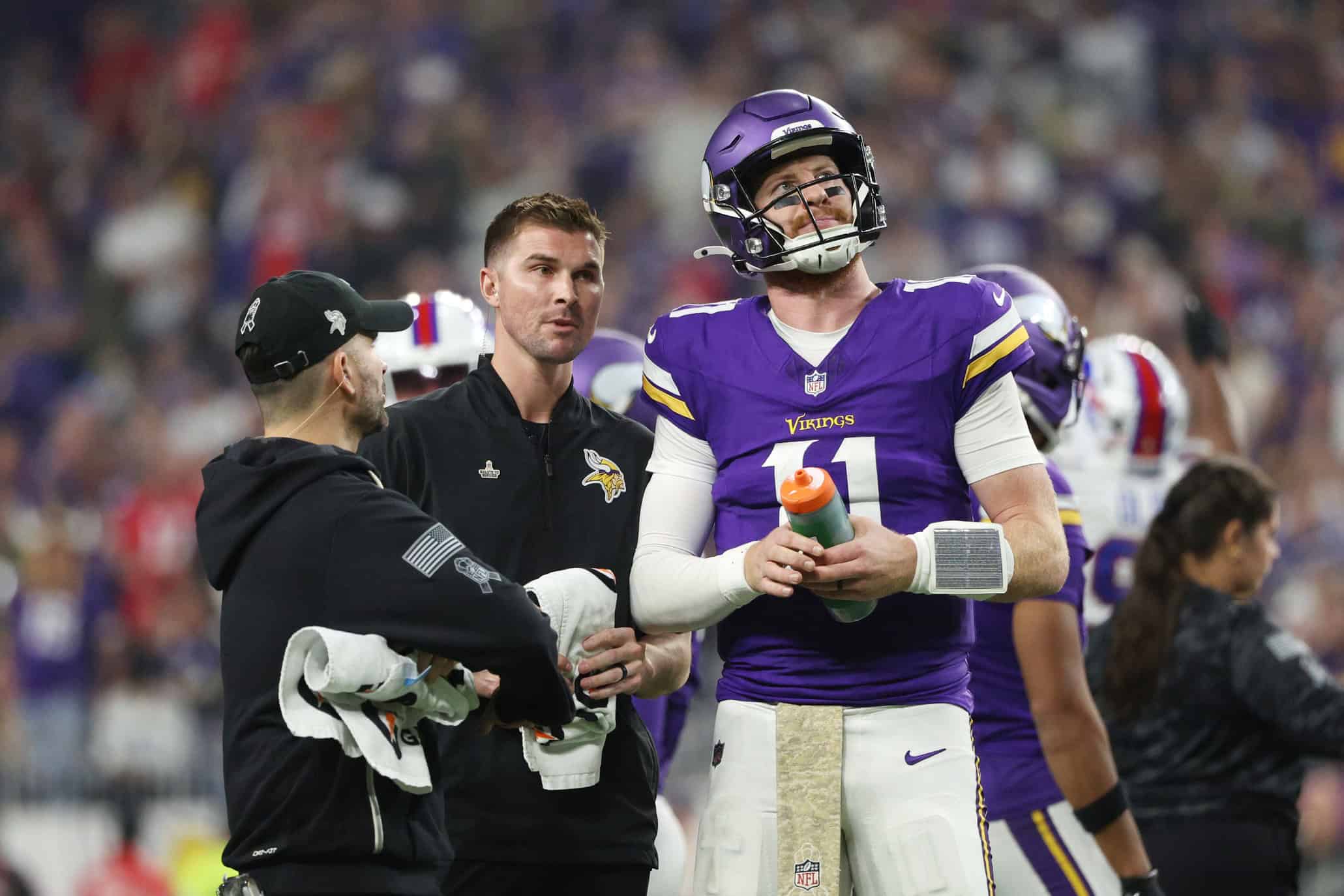
The Kirk Cousins Trade Isn’t About Kirk Cousins
By Katherine Langford
Advertisement · Why this ad?
Katherine oversees editorial operations across all six brands. Before joining The Meridan Group, she spent 14 years at the Minneapolis Star Tribune, where she led the metro desk through its digital transformation. She holds a Master's in Journalism from Northwestern's Medill School.
More from Katherine →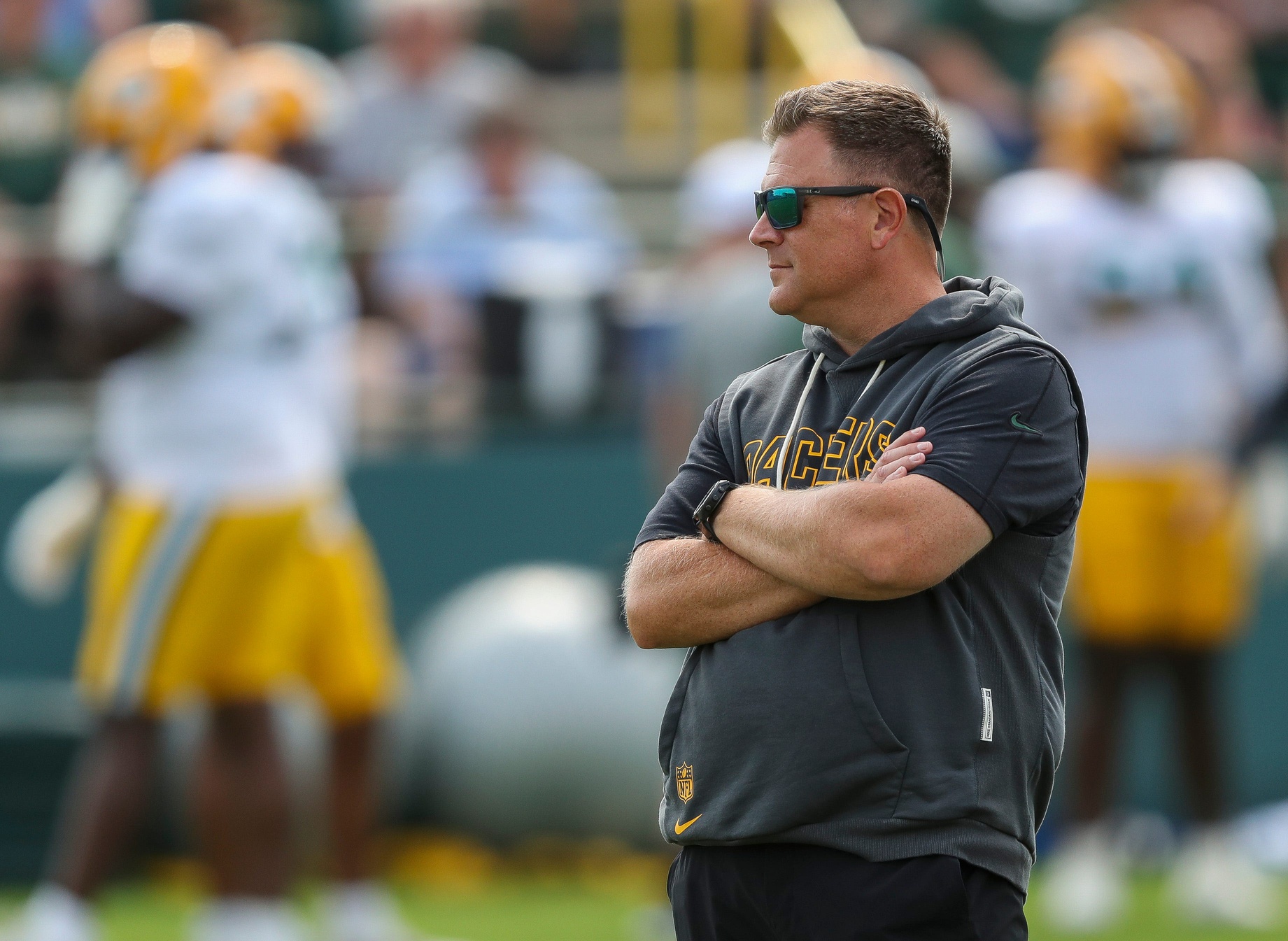
Green Bay Packers The Packers Didn't Give Into Temptation At the Trade Deadline Photo credit: Tork Mason/USA TODAY NETWORK-Wisconsin By Felipe Reis - November 11, 2026 The business side of the NFL was particularly active on Tuesday as teams made their final moves ahead of the trade deadline. However, the Green Bay Packers stood pat, making no acquisitions or trades. I’m honestly fine with that, considering the market across the league and the prices teams were asking for players. Looking at some of the deals made around the league, it’s easy to understand why Brian Gutekunst decided not to force a move. The Philadelphia Eagles, for example, sent defensive tackle Jordan Davis to the Jacksonville Jaguars in exchange for a 2027 first-round pick and a 2029 second-rounder. Meanwhile, the Buffalo Bills acquired safety Amani Hooker from the Tennessee Titans for a second- and fifth-round pick. Both teams arguably overpaid for their respective acquisitions. The Minnesota Vikings’ decision to spend a 2027 third-round pick on Kirk Cousins is another example of how quickly the market can get out of hand. The Kirk Cousins signing was a master stroke by Raiders GM John Spytek: The Raiders paid Cousins a total of $650,000 They got: – 9 games of rock solid QB play – 6+ months for #1 overall pick Fernando Mendoza to learn the system and be mentored by Cousins – A 2027 3rd round… — Field Yates (@FieldYates) November 10, 2026 This is typically the time of year when desperation takes over. Teams recognize their roster weaknesses, see the deadline approaching, and become increasingly willing to pay a premium to address them. That’s particularly true for teams that believe they have a legitimate chance to compete for a championship. That’s why I’m glad Gutekunst didn’t give in to those temptations. Green Bay had areas that could have used reinforcements, but making a move just for the sake of making one, especially at inflated prices, isn’t necessarily going to make the team better. I expected Green Bay to be proactive in the trade market, particularly at three positions: offensive line, defensive line, and running back. The Jonathan Taylor situation was especially interesting. The Indianapolis Colts were reportedly looking for a Christian McCaffrey-type trade package for their star running back. I’m glad the Packers didn’t get involved in a deal that would have required such a significant investment in a 28-year-old running back. Honestly, I don’t think changing the backfield personnel would necessarily solve Green Bay’s problems on the ground. At this point, the struggles feel more like a structural issue with the running game than an individual problem with whoever happens to carry the ball. The offensive line hasn’t consistently created opportunities, and simply bringing in another running back wouldn’t necessarily change that. Meanwhile, Kaleb Johnson has started to show some encouraging signs. Perhaps he can spark the offense and establish himself as a viable option in the backfield as the season progresses. Kaleb Johnson with arguably the best run and blocking of the year for the #Packers ! pic.twitter.com/PsAfN175Tc — Tanner Phifer (@TannerPhifer) November 9, 2026 The offensive and defensive lines were arguably the other two areas where Green Bay could have benefited from reinforcements. However, finding an impact offensive lineman through a midseason trade is easier said than done. How often do quality starting offensive linemen actually become available? The Chicago Bears’ trade for Joe Thuney is the exception, not the rule. Players of that caliber rarely hit the trade market, and the Packers would probably have had to pay a significant price for someone who might not even represent a substantial upgrade over their current options. There is little value in surrendering valuable draft capital just to bring in another offensive lineman, particularly when there’s no guarantee that player will meaningfully improve the unit. The situation is somewhat different on the defensive side. Green Bay has done a really good job generating pressure this season, even without Micah Parsons , who is expected to return around Thanksgiving. His return should give the defensive front an entirely different dimension. In a way, the Packers are already getting what would feel like a major trade-deadline acquisition. They have managed to maintain a productive pass rush without their best defensive player. Now they’re preparing to add one of the most disruptive pass rushers in the NFL to the lineup for the second half of the season. Ultimately, I would have liked to see the Packers improve their roster before the deadline, but I’m not disappointed with how things played out. There’s a difference between identifying weaknesses and overpaying to address them. Sometimes, the best trades are the ones you don’t make. Felipe Reis Felipe Reis covers the Green Bay Packers for Zone Coverage and CheeseheadTV. He has a Journalism degree from Estácio in Brazil and shares his Packers analysis on Twitter at @Aceti_Felipe. He lives in Niterói, Rio de Janeiro. All Articles